How to Avoid Common Gardening Issues with Root Royale Plant Grow Bags
- hydroponicstown001
- Feb 20
- 6 min read
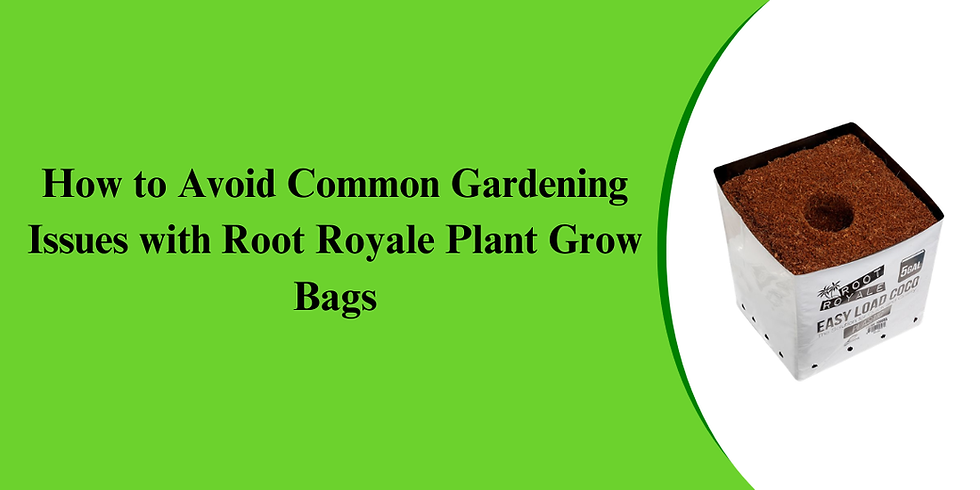
Root stability is the foundation of a successful container garden because aeration, drainage, and temperature balance directly affect plant performance in fabric grow systems. Unlike in-ground beds, Root Royale plant grow bags create a confined root environment that reacts quickly to changes in watering, sunlight, and weather conditions, leaving little room for inconsistency. When watering schedules, soil quality, or placement are not properly managed, plants can experience stunted growth, nutrient deficiencies, or root-related diseases that reduce overall yield and vitality. Continuous exposure to heat, airflow, and moisture fluctuations increases the risk of common grow bags disadvantages such as rapid drying or temperature sensitivity if preventive care is overlooked.
Regular inspection, balanced fertilization, correct sizing, and proper drainage management are essential for maintaining strong root systems and healthy, productive plants.
This guide covers:
Common grow bag gardening issues
Watering and aeration best practices
Indoor grow bag setup tips
Soil, sunlight, and placement strategies
Preventive maintenance techniques for long-term success
Choosing the Right Size Grow Bag for Different Plant Types
Selecting the wrong grow bag size is one of the most common container gardening mistakes, especially for beginners. While Root Royale plant grow bags promote healthy root development through air pruning, improper sizing can still restrict growth or create moisture imbalance.
One misconception related to grow bags disadvantages is that larger bags are always better. While bigger containers provide more soil volume, they can also retain excess moisture if the plant’s root system is too small to absorb it efficiently. The key is matching bag size to plant type and growth stage.
To choose the correct size:
Use 1–3 gallon bags for herbs and leafy greens.
Select 5–10 gallon bags for tomatoes, peppers, and eggplants.
Choose 15–25 gallon bags for potatoes, shrubs, or dwarf fruit trees.
Avoid undersized bags that restrict root expansion.
Proper sizing becomes even more crucial when using grow bags indoors because lack of light and airflow can slow the drying of the soil. Choosing the right capacity ensures balanced moisture levels, stronger roots, and healthier overall plant growth.
Preventing Overwatering and Improving Drainage
Overwatering is one of the most common gardening mistakes, especially for beginners. While grow bags provide superior drainage compared to plastic containers, improper watering habits can still lead to soggy soil.
One misconception tied to grow bags disadvantages is that they dry out too quickly. While it’s true that fabric containers allow faster evaporation, this is actually beneficial when managed correctly. The key is consistent monitoring.
To prevent overwatering:
Use well-draining potting soil with perlite or coco coir.
Water deeply but less frequently.
Allow the soil on top to dry before watering again.
Elevate bags slightly to ensure excess water drains fully.
Trays should be placed underneath grow bags when using them indoors to catch excess runoff while preserving drainage. Indoor environments typically have lower airflow, so watering schedules may differ from outdoor gardens.
A proper drainage system prevents fungal growth, mold, and root suffocation—issues commonly caused by waterlogged soil.
Avoiding Root Rot with Proper Aeration Techniques
Root rot develops when roots sit in consistently wet, oxygen-deprived soil. Fortunately, one of the primary advantages of Root Royale plant grow bags is enhanced aeration.
Fabric containers allow oxygen to penetrate through the sides of the bag, promoting air pruning. This process stops roots from circling and encourages branching, resulting in a stronger, thicker root system.
To maximize aeration:
Avoid compacted soil mixes.
Add organic matter like compost.
Ensure proper watering intervals.
Use pot feet or stands to increase airflow underneath.
Proper air circulation is essential for indoor gardeners who want to use grow bags indoors without causing moisture problems. Position a small fan nearby to improve airflow, especially in enclosed growing areas.
Healthy aeration not only prevents root rot but also boosts nutrient absorption and overall plant vigor.
Managing Soil Quality for Healthier Plant Growth
Soil quality determines what happens to your grow bag garden. Because grow bags promote faster drainage and airflow, nutrients can deplete more quickly than in traditional ground soil.
Use high-quality potting mix enriched with compost, worm castings, and organic matter. Avoid heavy garden soil, which can compact and hinder aeration.
Soil management tips include:
Refreshing soil between growing seasons.
Adding slow-release fertilizers.
Testing pH levels periodically.
Rotating crops to prevent nutrient depletion.
Some gardeners view frequent soil replacement as one of the grow bags disadvantages, but this practice actually helps prevent disease buildup and ensures consistent productivity.
For indoor setups, using sterile potting mix minimizes pest and fungal risks, making soil management even more critical when learning how to use grow bags indoors.
Protecting Plants from Temperature Conditions in Grow Bags
Fabric grow bags respond more quickly to temperature changes compared to ceramic or plastic pots. While this improves drainage, it can also expose roots to temperature fluctuations.
In hot climates, dark-colored grow bags may absorb heat, warming the root zone excessively.
To prevent heat burnout:
Place bags in partial shade during extreme heat.
Use mulch to insulate soil.
Water during early morning hours.
Elevate bags off hot concrete surfaces.
In colder climates, protect roots by grouping bags together or insulating them with straw. Indoors, temperature control is typically easier, but proximity to heaters or drafty windows can create trouble.
Understanding temperature sensitivity helps eliminate what some perceive as grow bags disadvantages and turns them into manageable considerations.
Proper Placement and Sunlight Exposure for Maximum Yield
Sunlight is essential for plant growth, and placement directly influences productivity. The majority of vegetables need six to eight hours of direct sunlight each day.
When positioning Root Royale plant grow bags outdoors:
Choose south-facing areas when possible.
Rotate bags periodically for even growth.
Avoid shaded walls or fences.
The importance of light increases for gardeners who are experimenting with using grow bags indoors. Place bags near bright windows or supplement with LED grow lights to ensure plants receive adequate intensity.
Indoor placement also requires spacing to prevent overcrowding, which can reduce airflow and encourage disease.
Proper placement maximizes photosynthesis, leading to stronger stems, larger harvests, and healthier plants.
Fertilization Tips to Prevent Nutrient Deficiencies
Because grow bags allow water to drain freely, nutrients can wash out faster than in traditional containers. Regular feeding is essential.
Signs of nutrient deficiency include yellowing leaves, slow growth, and poor fruit production. Use balanced fertilizers every 2–4 weeks during active growth periods.
Organic options include:
Compost tea
Fish emulsion
Seaweed extract
Synthetic slow-release fertilizers also work effectively when applied according to instructions.
A consistent feeding schedule addresses one of the perceived grow bags disadvantages—nutrient leaching—while maintaining plant health.
Indoor growers should monitor feeding carefully, as excess fertilizer in enclosed environments can cause salt buildup. Flushing soil occasionally with clean water helps maintain balance.
Pest and Disease Prevention Strategies for Container Gardening
Grow bags naturally reduce some soil-borne diseases because they elevate plants off the ground. However, pests such as aphids, spider mites, and fungus gnats can still occur.
Preventive strategies include:
Inspecting plants regularly.
Using neem oil or insecticidal soap.
Maintaining proper spacing for airflow.
Removing infected foliage promptly.
Learners of indoor gardening with grow bags should be particularly aware of pests because enclosed areas facilitate the rapid spread of infestations.
Effective garbage disposal practices—clean tools, fresh soil, and seasonal replacement—greatly reduce disease risks.
Seasonal Maintenance and Storage of Grow Bags
Proper maintenance extends the lifespan of your grow bags. At the end of each growing season:
Remove old soil and plant debris.
Wash bags with mild soap.
Rinse thoroughly and air dry.
Store in a cool, dry place.
Fabric grow bags are durable, but exposure to constant moisture can shorten their lifespan. Cleaning and drying prevent mold and deterioration.
Some gardeners mistakenly assume limited durability is among the grow bags disadvantages, but with proper care, high-quality bags can last multiple seasons.
Indoor gardeners should also clean trays and surrounding surfaces to prevent fungal buildup.
Seasonal maintenance ensures your Root Royale plant grow bags remain effective year after year.
Conclusion: Maximizing Success with Root Royale Plant Grow Bags
Avoiding common gardening issues begins with understanding proper grow bag management. While some growers mention grow bags disadvantages such as faster drying or temperature sensitivity, these challenges are easy to control with consistent watering, correct sizing, quality soil, and balanced fertilization.
Monitoring moisture levels, improving aeration, and positioning bags for adequate sunlight help prevent root rot, nutrient deficiencies, and plant damage. Proper drainage, airflow, and light exposure are especially important when learning how to use grow bags indoors.
With routine maintenance and proactive care, Root Royale plant grow bags support strong root systems, healthier growth, and higher yields—making them a dependable solution for productive indoor and outdoor gardening.
HydroponicsTown, specializing in comprehensive hydroponic gear including propagation kits, lighting setups, nutrient solutions, and environmental controls—ensuring speedy delivery and expert support to boost your indoor farming success.
FAQ’s
1. What is the problem with grow bags?
Grow bags can dry out quickly, may tear over time, and can sometimes cause uneven root growth if not properly maintained or positioned.
2. How often should I water my grow bags?
Water grow bags when the top 1–2 inches of soil feel dry. Typically, this is once or twice daily in hot weather and less in cooler conditions.
3. What is the lifespan of a grow bag?
High-quality grow bags typically last 3–5 years with proper care, though frequent exposure to harsh sunlight or heavy use can reduce their lifespan.


Comments